Employees Who Are Considered Maritime Workers
Blog
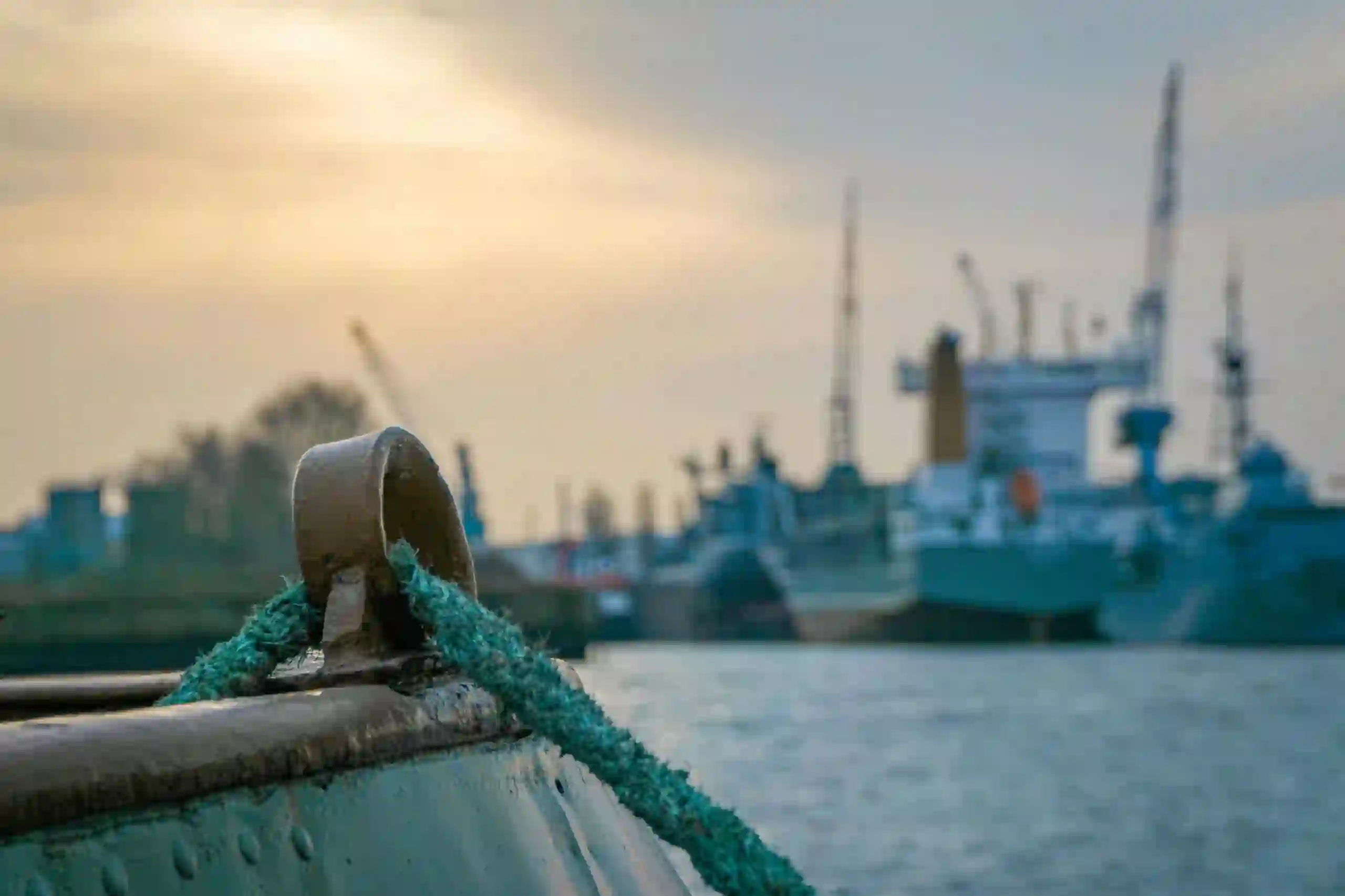
Working near rivers, bayous, canals, and the Gulf of Mexico is a unique job, but it comes with serious risks. Special laws in place under Federal law are intended to protect people who work on or around water. But not everyone working on or close to water is considered a maritime worker under Federal law. Let’s try to understand the classification of a maritime worker and why that designation matters.
What Makes Someone a Maritime Worker?
A maritime worker is someone whose work involves ships or other types of boats on navigable waters, including rivers, bayous, canals, and the Gulf of Mexico and its adjoining waters along the coast. Maritime workers are often exposed to hazards unique to the water environment, which makes them eligible for special protections under certain laws like the Jones Act, the General Maritime Law and the Longshore and Harbor Workers’ Compensation Act (LHWCA).
Who Qualifies as a Maritime Worker?
There are many kinds of jobs that fall under the category of maritime worker. The following are some of the most prominent:
- Seamen and Crew Members: This refers to employees assigned or to be assigned to vessels including boats, tug boats, supply boats, ships, or oil rigs and spend at least 30% of their time on board in the service of the vessel. These workers are protected by the Jones Act and the General Maritime Law , which allows them to seek compensation for injuries caused by employer negligence or unseaworthy conditions aboard the vessel.
- Longshoremen and Dock Workers: Workers who load, unload, or handle cargo on docks and other areas along the water qualify for protections under the LHWCA. If they suffer injury in employment on vessels but do not have the necessary connection to be considered a Jones Act seaman, they will probably be considered maritime workers entitle to the protections under the LHWCA
- Harbor Employees and Shipyard Laborers: Employees who repair, build, or dismantle ships may work in shipyards or dry docks, but still qualify for LHWCA protections, even if they do not work on the water.
- Offshore Oil and Gas Workers: Employees working on fixed offshore oil platforms or deep-water Spars that are at varying distances from the coasts of the adjacent state(s) are covered under the Outer Continental Shelf Lands which incorporates the LHWCA. Their eligibility for specific protections depends on factors like work location and whether the structure they work upon can be considered a vessel or not
Why Maritime Status Matters When You Are Injured
If you are a worker protected under the Jones Act and General Maritime Law and you are injured at work, you can take your employer to court for ignoring safety measures. The Jones Act provides potentially more benefits as compared to standard workers’ compensation. Workers safeguarded by LHWCA receive benefits that are akin to usual workers’ compensation – but tweaked specifically with maritime conditions in mind.
Call Kopfler and Hermann to Protect Your Rights as a Maritime Worker
If you or any of your loved ones have been hired into a maritime position and experience an injury while on the job, talk to an
experienced maritime attorney as soon as possible. Complex maritime laws require specific knowledge, and an attorney can guide you through your options, ensure that you qualify for the appropriate protections, and help you recover what you deserve.
Common Categories of Maritime Workers
Maritime law covers many different jobs across the Gulf Coast economy. Whether you qualify as a “seaman” under the Jones Act, a “longshore worker” under the LHWCA, or fall under another framework depends on the work you actually do — not just your job title. Common categories include:
- Deckhands and crewmen on tugs, supply boats, crewboats, and barges working out of Houma, Morgan City, Port Fourchon, and Cameron.
- Captains and pilots guiding vessels through Louisiana’s waterways.
- Engineers, oilers, and wipers in vessel engine rooms.
- Cooks and stewards serving crew aboard inland and offshore vessels.
- Drillship and jack-up rig crew assigned to floating offshore platforms.
- ROV technicians and divers working from vessels in the Gulf.
- Longshore workers and stevedores loading and unloading cargo at the Port of New Orleans, Port of South Louisiana, Port Fourchon, and the Port of Houma-Terrebonne.
- Shipyard workers in Houma, Morgan City, and Avondale — welders, fitters, pipefitters, electricians.
- Riggers and roustabouts on platforms and rigs in the Outer Continental Shelf.
What Compensation Can Injured Maritime Workers Recover?
The compensation available depends on which maritime statute applies to your case:
Jones Act Seamen
A seaman injured by an employer’s negligence — even slight negligence — can recover full personal-injury damages: medical expenses, lost wages, loss of future earning capacity, pain and suffering, mental anguish, disfigurement, and maintenance and cure benefits. Maintenance is a daily living allowance while you recover. Cure is the cost of medical treatment until you reach maximum medical improvement.
LHWCA Longshore and Harbor Workers
Workers covered under the Longshore and Harbor Workers’ Compensation Act receive scheduled benefits: two-thirds of average weekly wages (subject to caps), medical treatment, and permanent partial or total disability awards. Death benefits go to surviving spouses and dependent children.
Death on the High Seas Act (DOHSA)
When a maritime worker is killed more than three nautical miles from shore, surviving family members can recover pecuniary losses under DOHSA — funeral expenses, lost financial support, and lost services of the deceased.
Why Maritime Cases Are Different From Land-Based Injury Cases
Maritime law is its own world. Statutes of limitation are different (three years for the Jones Act, much shorter for LHWCA notice). The jury pool may be federal rather than state. Employers and their insurers — protection & indemnity (P&I) clubs — have specialized defense lawyers who handle these cases every day. Going up against them without an experienced
Houma maritime injury lawyer means accepting whatever they offer.
At
Kopfler & Hermann we have handled maritime injury cases for over 30 years out of our Houma office at the heart of Louisiana’s offshore industry. Call
(985) 851-3311 for a free, confidential case review. No fee unless we win.
